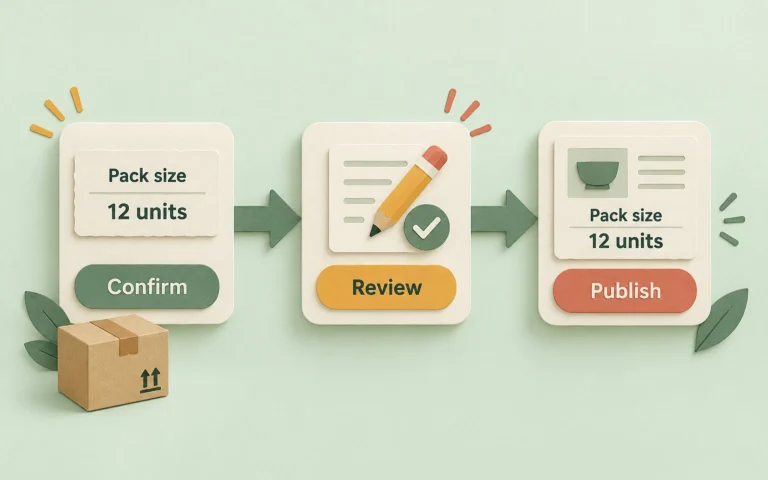

Magento Re-commerce: Keep the Scuff in the Product Story
For Magento re-commerce, keep product condition as a checked fact tied to the item being sold, then review every description against it. A rewrite should still disclose the scratch, missing accessory or opened packaging. Check the product page, recommendation card and shopping feed together. Better wording is welcome; a second-hand item quietly becoming good as new is rather less helpful.
Savant Retail Congress Munich takes place on 28 October 2026 at Hotel Vier Jahreszeiten Kempinski. Re-commerce, personalisation and data privacy are among its announced themes. Speakers include Hande Gunes, Head of CRM at Vitafy Brands, and Alexander Schnelle, Group Head of eCommerce at Snocks. We'd bring one awkward example to the re-commerce discussion: a recommendation that gets the product right but leaves out its condition.
What should a second-hand product description keep?
Keep the details that might change someone's buying decision. Start with what a person has checked about the item, rather than a polished description of the model when it left the factory.
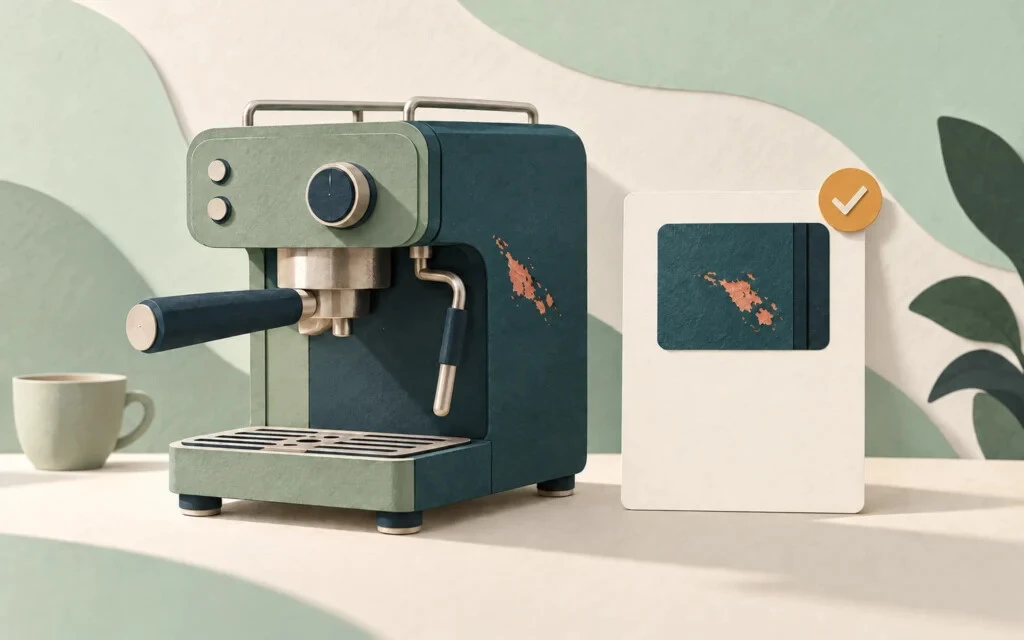
Imagine a used espresso machine. It works, the left side has a visible scratch, and the original milk jug is missing. A manufacturer description can explain the steam wand beautifully without telling the next owner any of that. The buyer needs both kinds of information, clearly separated.
Make a short condition record before refreshing the copy:
- The identifier for the actual item or offer, not only the model name.
- Its checked condition and the date someone checked it.
- Visible wear, known faults and missing or included accessories.
- Photos of that item where they help explain its condition.
- The person who can resolve a disputed detail.
Start with a shared record if your catalogue doesn't have suitable fields yet. If your catalogue groups several used items under one listing, decide how a buyer chooses the right one and sees its condition. One shared sentence cannot describe three different scratches.
How does a Magento re-commerce refresh lose the detail?
It can lose the detail by replacing a specific disclosure with a general description. Compare the proposed wording with the condition record, not just the old paragraph.
Take this example: "Used machine. Scratch on left panel; milk jug not included." A rewrite might say: "A stylish espresso machine for rich coffee and smooth milk drinks." The jug hasn't reappeared. The rewrite has dropped it, along with the scratch.
Before approving new copy, underline every condition fact in the record and find its counterpart in the draft. Keep the meaning, even if you improve the wording. "Shows signs of use" is a poor replacement for a specific mark the buyer can inspect in a photo.
Try one awkward product before running a large batch. Choose an item with a missing accessory and a visible mark, refresh its description, then inspect the saved result. A batch of spotless examples won't tell you whether the process handles the exceptions.
Where can ProductContent help with that review?
ProductContent AI can help your catalogue team review proposed wording alongside the original value. Use the condition record as the checklist for that review.
In ProductContent AI > Products & Drafts, you can edit the proposed text before approving it. Approval and application are separate actions: approving a draft does not itself change the product. The ProductContent review guide covers the review, edit and apply steps.
Keep this work on a manual-review route and check your auto-apply settings. Existing-copy protection can hold automatic application when a field already has content, but it doesn't stop drafting or guarantee every disclosure survives. The person checking the actual item supplies the facts; a fluent description doesn't inspect a coffee machine.
For a broader catalogue refresh, the Magento product descriptions at scale guide covers the larger review job. Here, keep the acceptance test narrower: can a buyer still find the condition facts for this item?
Does the condition follow the buyer out of the product page?
Check every place that presents the offer. A correct product page doesn't prove that a recommendation card, feed or cart identifies the same item clearly.
This is where Munich's re-commerce and personalisation themes meet. A recommendation can suit someone's taste and budget perfectly, yet show only the model's stock photo. If it leads to a used item, make that clear before the buyer has to hunt for the detail.
| Place to check | Question for the reviewer |
|---|---|
| Recommendation or category card | Can the buyer tell this offer is second-hand and open the right item? |
| Product page | Are the checked wear, accessories and relevant photos easy to find? |
| Shopping feed | Does its condition value agree with the landing page? |
| Cart and checkout | Can the buyer still identify the particular offer they chose? |
| Order record and support view | Can your team establish what was sold and what the buyer was shown? |
Treat these as checks to run on your own store and integrations. Don't assume the current product description is a purchase-time record. Test what your order system retains, and decide how to keep any additional evidence your team needs.
What should the shopping feed say?
Use the condition that describes the item, and keep it consistent with the landing page. A copy refresh shouldn't turn a used offer into a new one in the feed.
Google Merchant Center's condition specification supports new, refurbished and used values, and requires condition for used and refurbished products. Those categories don't replace the particular wear or missing-accessory details a buyer needs on the page.
Google also has specific guidance on website and feed condition mismatches. Include the feed in your refresh test: check the exported value after the update, then open its destination. Looking at the admin field alone leaves half the job unchecked.
What would we take to the Munich conversation?
Bring one real example of a condition detail that nearly disappeared during a copy change. It gives the re-commerce and personalisation discussion something concrete to work with.
Show the checked fact, the proposed rewrite and the place the customer sees it. Ask where retailers keep item-specific information when they personalise discovery or refresh catalogue content. Keep any customer details out of the example. The useful part is the missing milk jug, not the buyer's email address.
Before 28 October, run that one-item test with your catalogue team. Keep the accepted condition details together, check the saved page and feed, and name whoever can approve a correction. That's a small enough job to finish before the conference, and a better starting point than another list of tools to investigate.
FAQ
Is a used condition label enough?
No. It describes a broad category, not the wear, faults or accessories of a particular item. Give the buyer the checked details that could affect their decision.
Can we reuse the manufacturer's description?
You can use accurate model information alongside the item's condition details. Review it for claims that no longer apply, such as included accessories, and keep those two kinds of information clear.
Does ProductContent check a second-hand item's condition?
No. Your team establishes the condition. ProductContent helps with proposed copy and its review; checking the draft against the inspected item remains part of your publishing process.
What's the smallest useful test before a batch refresh?
Choose one item with a visible mark and a missing accessory. Refresh its copy, compare the saved wording with the condition record, then check the product page, recommendation and feed. Fix any missing detail before expanding the batch.